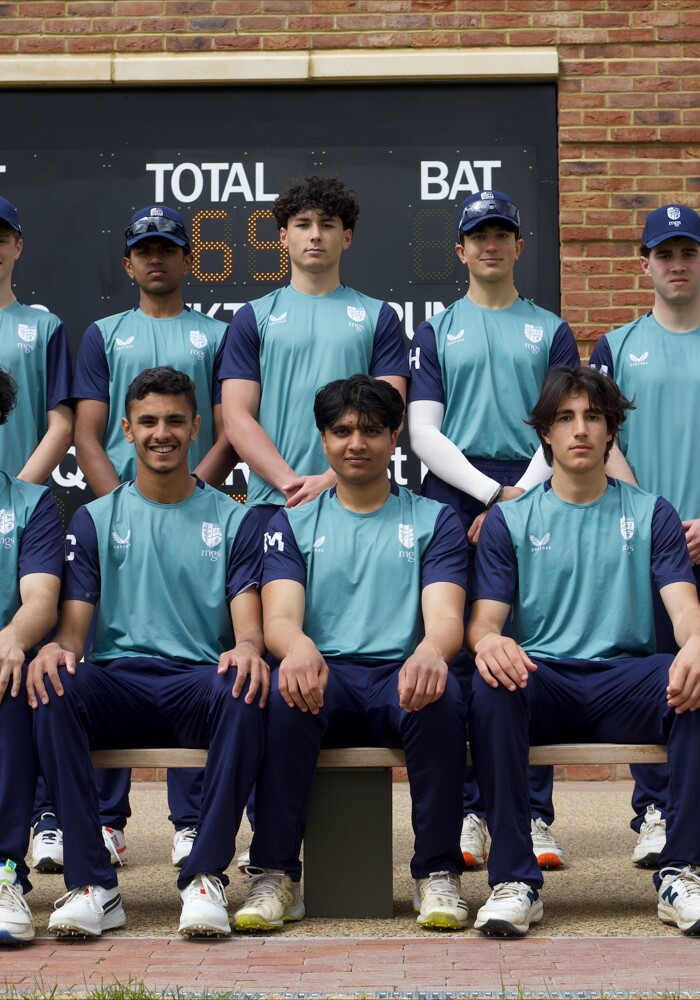
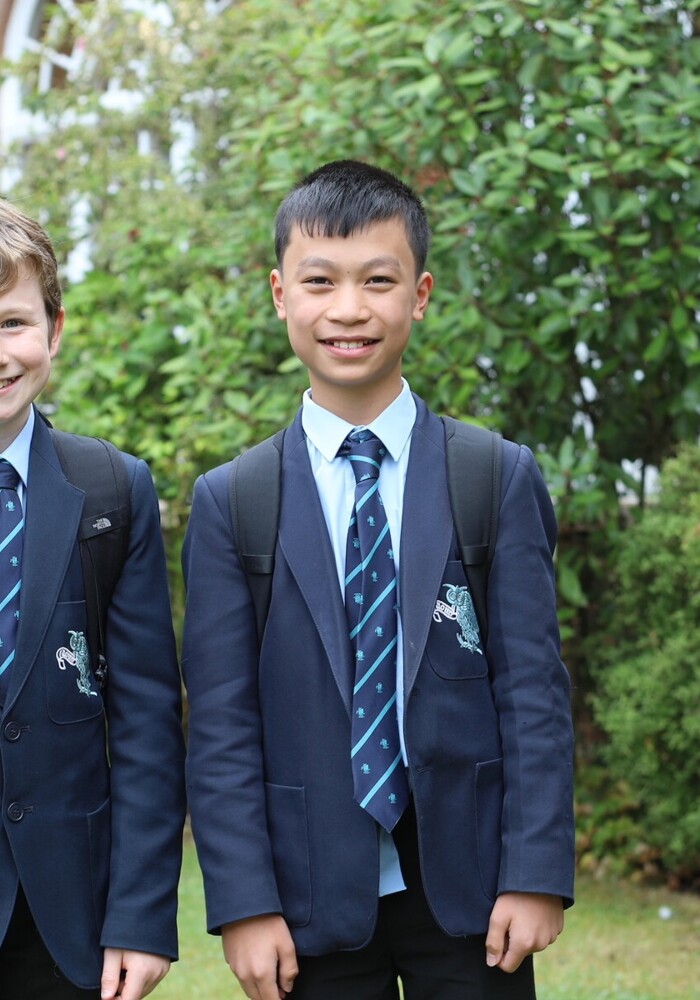
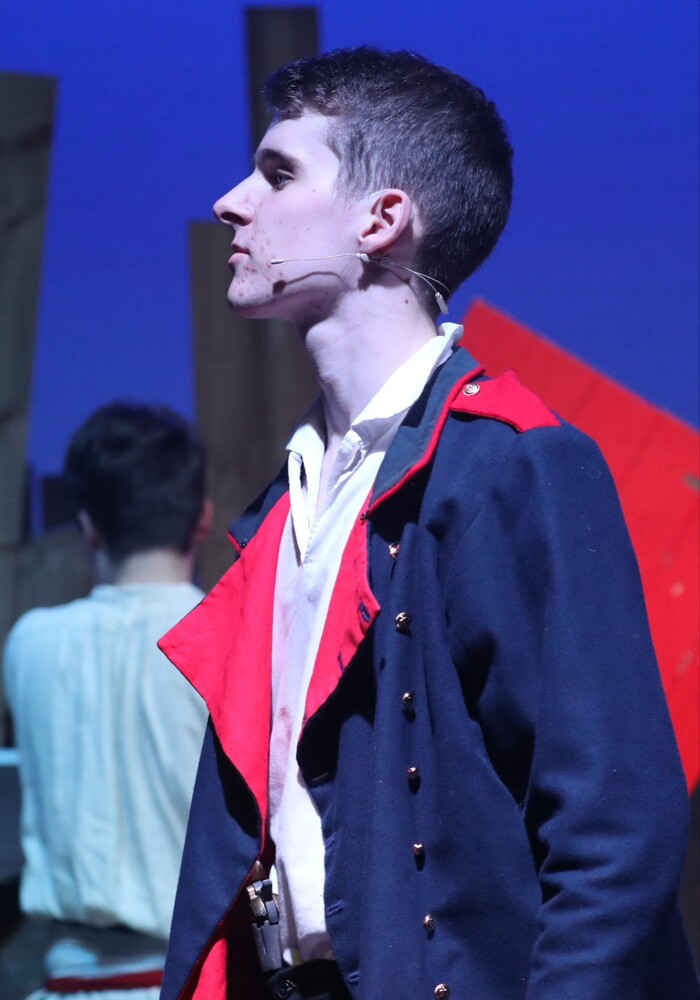
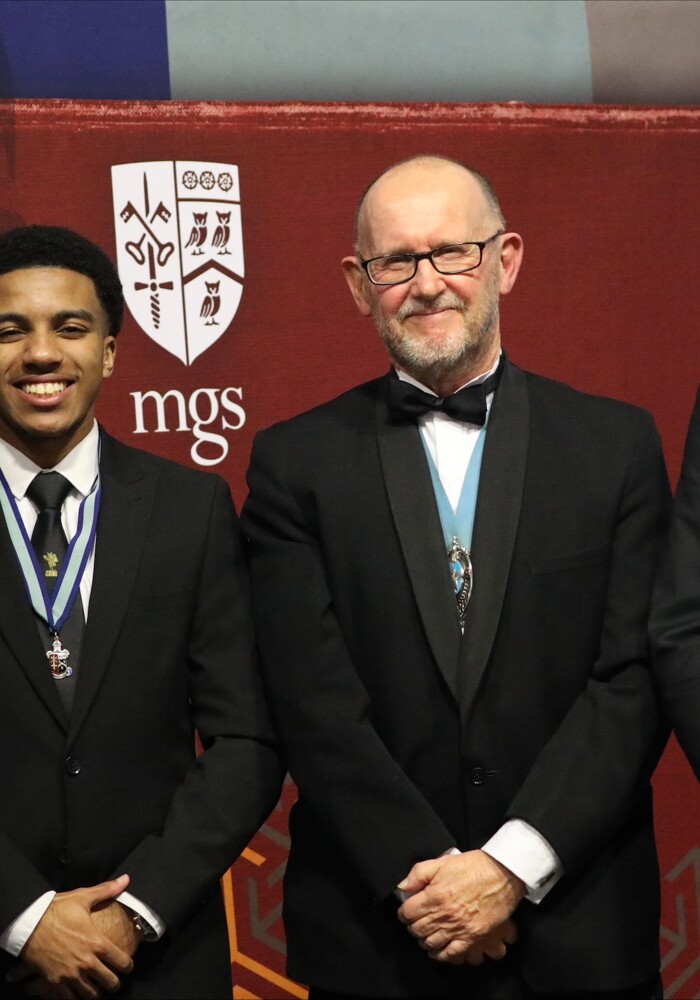

New School Captain 2026 27
April 21st 2026
Explore
Founded in 1515, The Manchester Grammar School has established a reputation as one of the top academic schools in the country.
32
Offers from Oxford and Cambridge University in 2025
300+
Trips per year
200+
Full fee bursaries every year
A culture of excellence
Our academic excellence places MGS in a very select group of schools nationally. What makes this School truly special is the outstanding achievement of our pupils in areas such as Sport, Music and Drama, and in keeping with Hugh Oldham’s aims we produce well rounded young men who have a true sense of service to their communities.
Read MoreShaping world changers of tomorrow

Sir Nicholas Hytner
Film and Theatre Director
Alumni Year: 67-74

Anthony Preston
Entrepreneur
Alumni Year: 66-73

Faisal Islam
Journalist & Broadcaster
Alumni Year: 87-94

Sir Ben Kingsley
Actor
Alumni Year: 55-61

Michael Crick
Author and Broadcaster
Alumni Year: 69-76

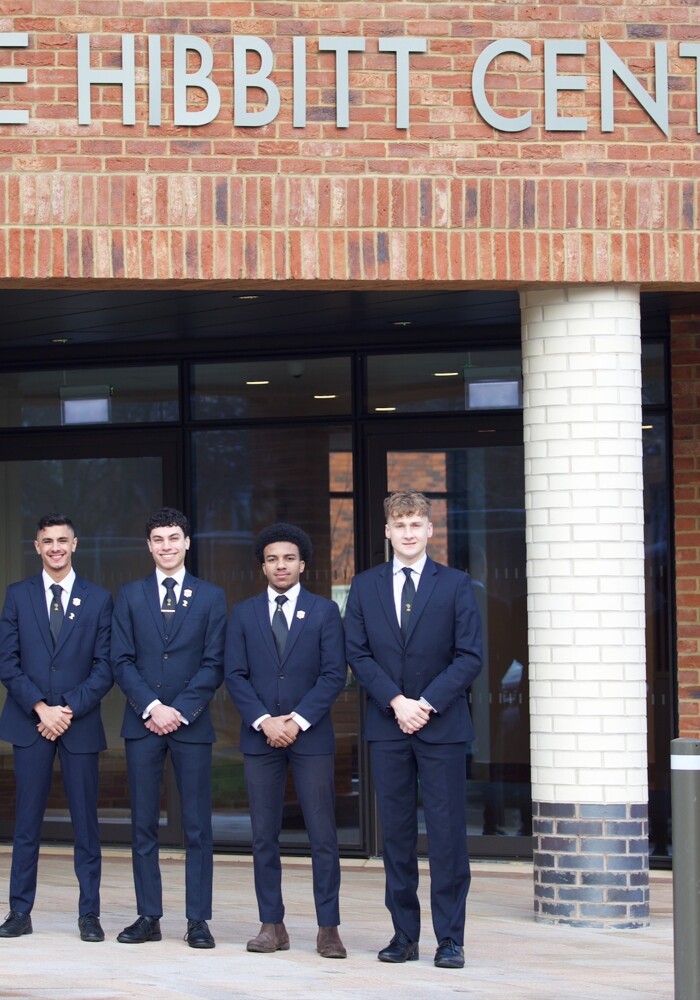
David Hibbitt
Engineer
Alumni Year: 55-62
News Spotlight

New School Captain 2026 27
April 21st 2026
Explore

MGS, MHSG and WGS unite for Charity Netball match 2026
February 25th 2026
Explore

MGS hosts ISMLA conference 2026
February 24th 2026
Explore

Music Festival 2026
February 6th 2026
Explore

Holocaust Memorial Day 2026
January 27th 2026
Explore

A Haunting Performance: MGS and MHSG Pupils Take Centre Stage in Dracula
October 27th 2025
Explore

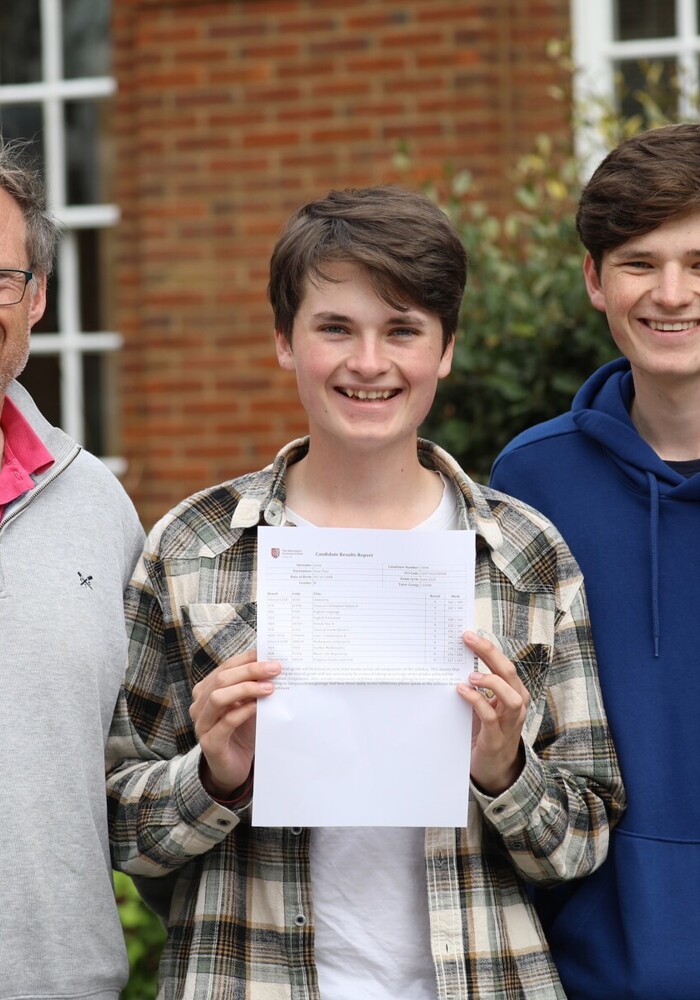
Exceptional GCSE results for 2025
August 21st 2025
Explore

Outstanding A Level results for 2025
August 14th 2025
Explore

Year 9 pupil Rayyan selected for British Gymnastics 2025 Men's Artistic Development Programme
April 7th 2025
Explore

New School Captain 2025 26
March 31st 2025
Explore

Founders' Day 2025
March 17th 2025
Explore

F1 in Schools
February 28th 2025
Explore

32 Oxbridge offers for 2025
January 31st 2025
Explore

Music Festival 2025
January 31st 2025
Explore

Do You Hear the Pupils Sing?
October 18th 2024
Explore

MGS launches free Online Courses
June 6th 2024
Explore

New School Captain 2024 25
April 24th 2024
Explore

Alumni event unites MGS MHSG and WGS
March 18th 2024
Explore

Personal Research Programme 2025-26
May 12th 2026
Explore

Swire Chinese Language Foundation conference 2026
April 3rd 2026
Explore
News Spotlight
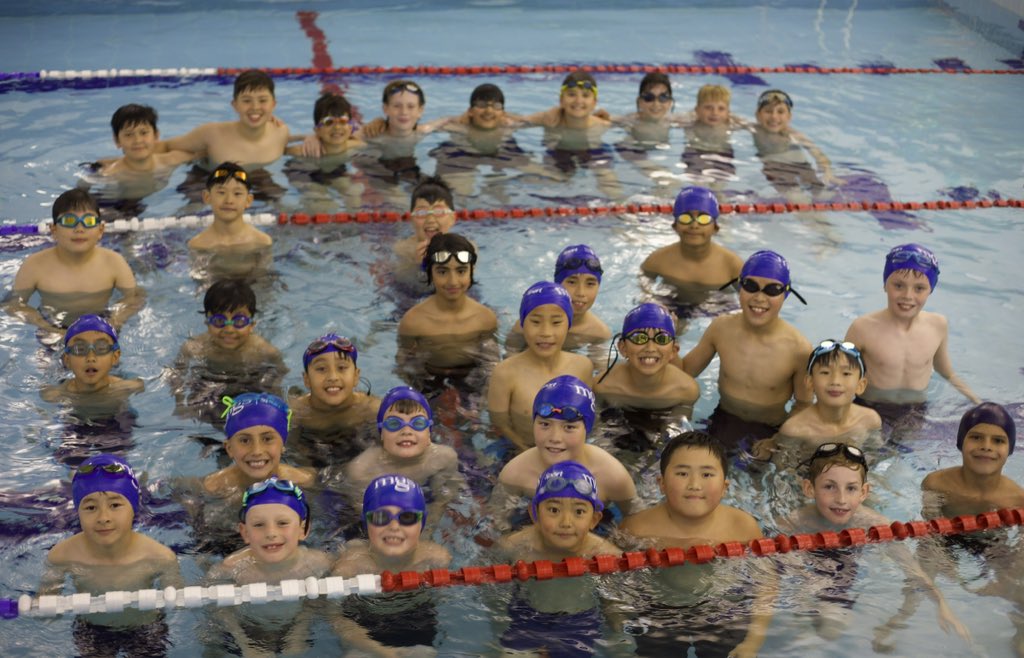
Well done to our Junior School pupils, who represented MGS this evening in a swimming gala against The Grange School. With over 30 MGS pupils taking part, the event provided an opportunity for swimmers of all abilities to gain experience in a competitive environment. #MGSAquatics— Manchester Grammar School (@mgs_1515) Jun 9, 2026
Explore

A sunny afternoon for Games lessons this afternoon saw year 8 pupils developing athletic skills across a range of disciplines, including javelin, shot put, high jump, long jump, triple jump and a variety of track events, as preparations continue for Sports Day. #SportForAll— Manchester Grammar School (@mgs_1515) Jun 9, 2026
Explore
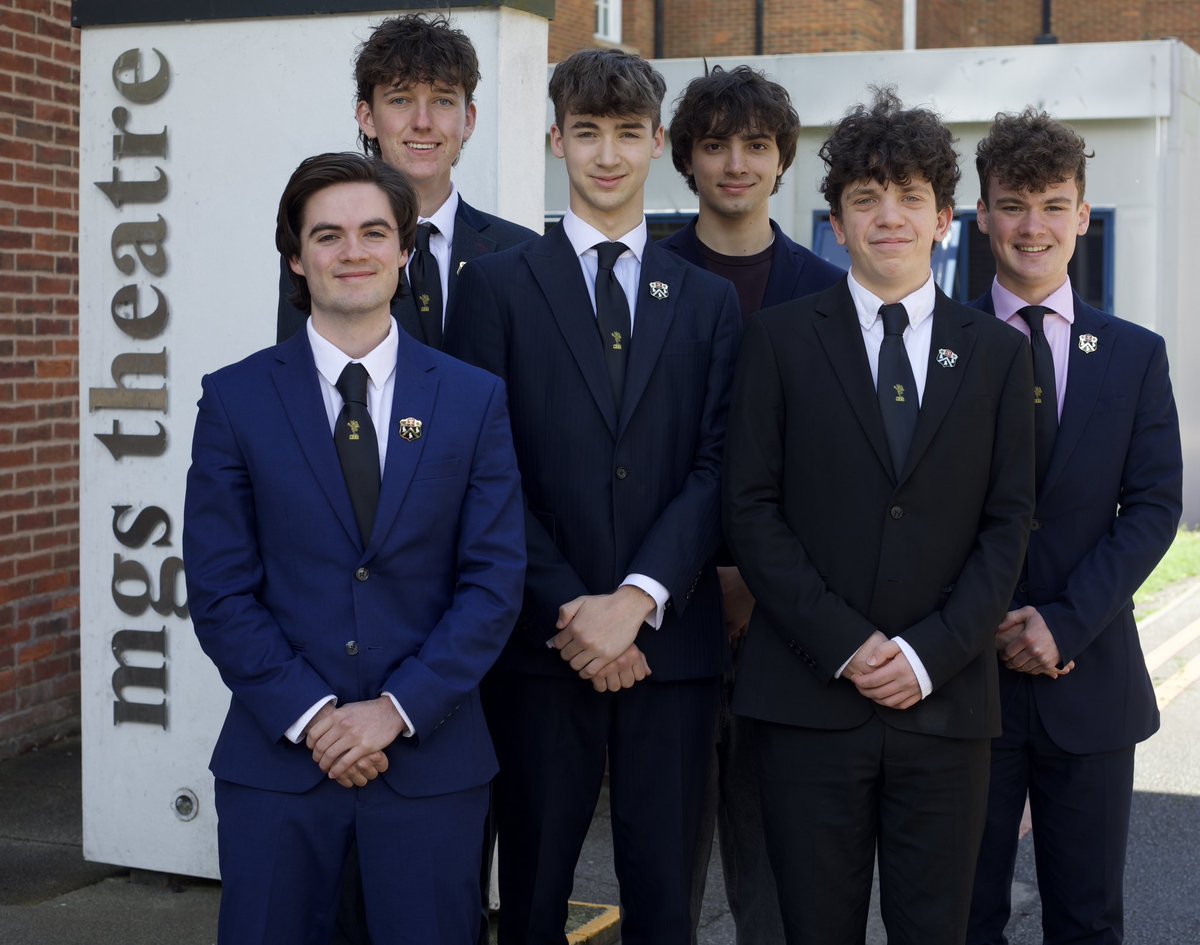
During Activities Week, which begins on Monday 22 June, year 12 pupil members of the School Officer team Tom, Raph, Patrick and Charlie, together with Vice-Captains James and Ollie, will spend the week rehearsing in preparation for production of #WestSideStory. #schoolproduction— Manchester Grammar School (@mgs_1515) Jun 9, 2026
Explore

Well done to year 11 pupil Tal, who has been awarded a Certificate of Merit for a piece of #creativewriting that has been selected for publication in a Young Writers anthology: to receive this recognition whilst balancing demands of GCSEs makes the accomplishment more impressive.— Manchester Grammar School (@mgs_1515) Jun 8, 2026
Explore
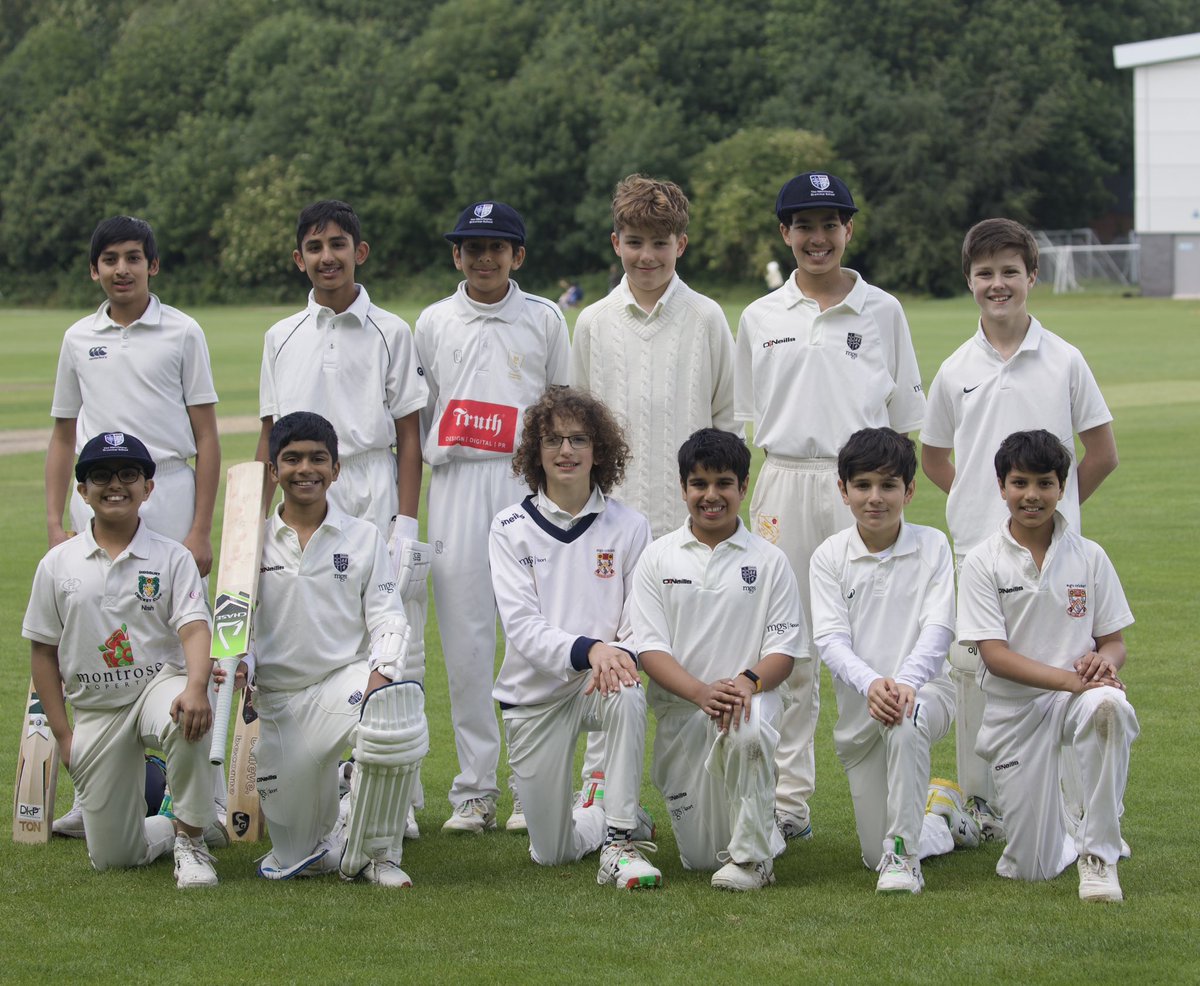
A busy and enjoyable start to the week for #MGSCricket in the sunshine: our U12A team faced Bury Grammar School in Round 2 of the County Cup, while U9 Junior School teams faced The Grange School. Well played to all involved, and thank you for representing MGS with sportsmanship.— Manchester Grammar School (@mgs_1515) Jun 8, 2026
Explore

Following last evening’s celebratory reception, we welcomed individuals today to MGS for a day of thought-provoking discussions and presentations as part of the final Swire Chinese Language Day under the stewardship of the Swire Chinese Language Foundation. #ChinaStudies— Manchester Grammar School (@mgs_1515) Jun 5, 2026
Explore

Ten years ago, the first Swire Chinese Language Day was held at MGS, marking the launch of the Swire Chinese Language Programme. A decade later, MGS is proud to host the final Swire Chinese Language Day under the stewardship of the Swire Chinese Language Foundation. #education— Manchester Grammar School (@mgs_1515) Jun 4, 2026
Explore

Our year 5 Junior School pupils concluded their time at @plasmenai by participating in Explore the Strait today. The morning provided opportunities to take helm of a fishing vessel, get involved in crab catching, and paddle in rafted canoes on the Menai Strait. #outdooreducation— Manchester Grammar School (@mgs_1515) Jun 4, 2026
Explore

In two weeks’ time, our #year6 Junior School pupils will take part in their transition afternoon as they prepare for the move to the Senior School in September. We are delighted to share a photograph of year 6 pupil Teddy who recently became AJIS Champion 2026 in Tennis.— Manchester Grammar School (@mgs_1515) Jun 4, 2026
Explore

Our year 5 Junior School pupils enjoyed a fantastic day at @plasmenai today, taking part in outdoor climbing and the high ropes course. Pupils have developed teamwork and a greater appreciation for the #outdoors while embracing new challenges and supporting one another.— Manchester Grammar School (@mgs_1515) Jun 3, 2026
Explore

Our year 10 pupils developed tennis skills during Games lessons this afternoon. With pupils across different year groups balancing revision, internal assessments and public examinations, opportunities to participate in sport remain an important part of school life. #sportforlife— Manchester Grammar School (@mgs_1515) Jun 2, 2026
Explore
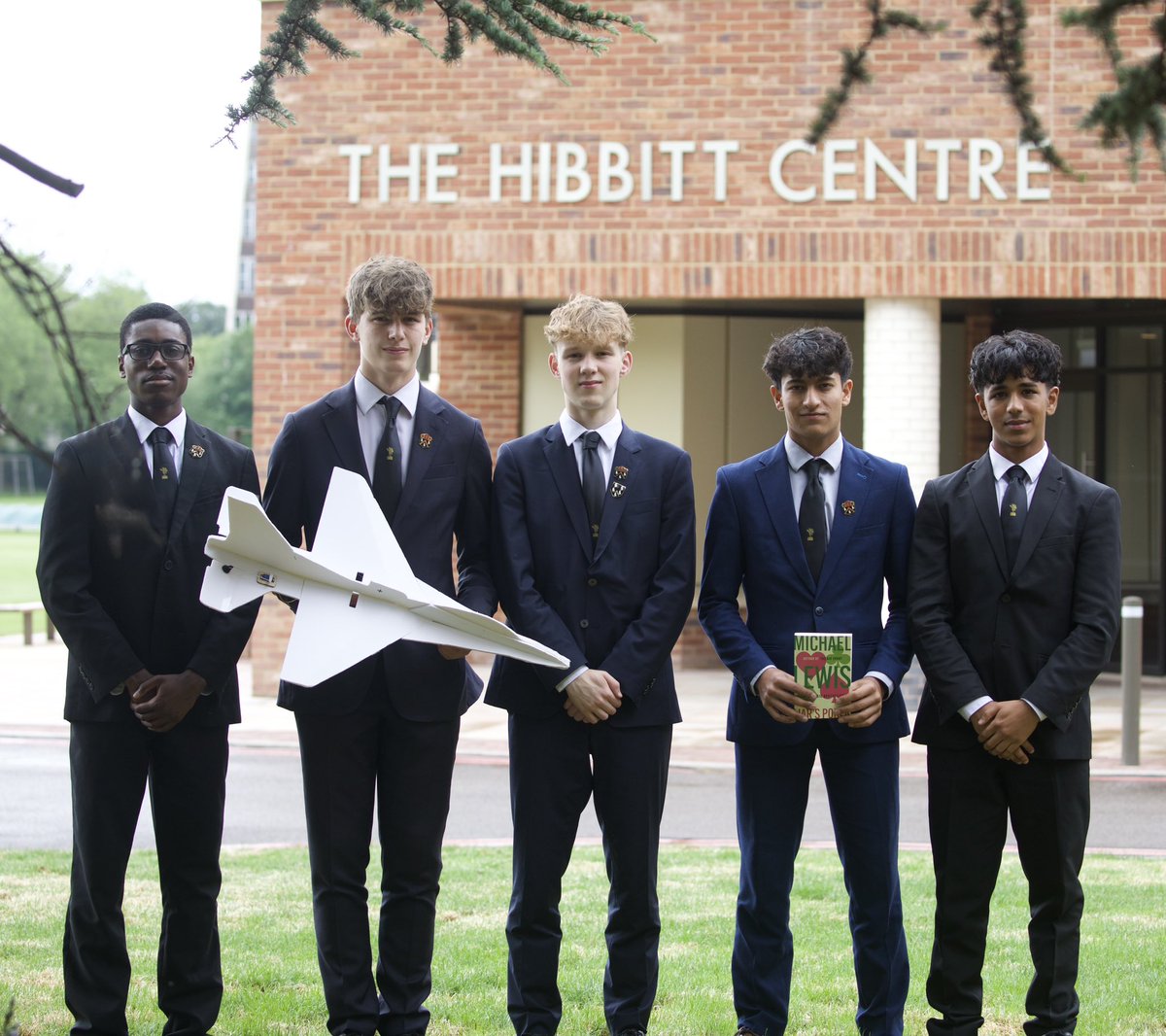
In three weeks’ time, teaching will pause for #ActivitiesWeek, when every pupil in the School elects to take part in a week-long activity. Over the coming weeks, follow our Instagram and Facebook pages to see what members of the School Officer Team will be doing.— Manchester Grammar School (@mgs_1515) Jun 1, 2026
Explore

A memorable end to the season for our U14A Football team, who secured victory in the County Plate Final against Altrincham College of Arts. We look forward to more sporting highlights across the remainder of the summer term. #sportforall #MGSFootball— Manchester Grammar School (@mgs_1515) May 29, 2026
Explore
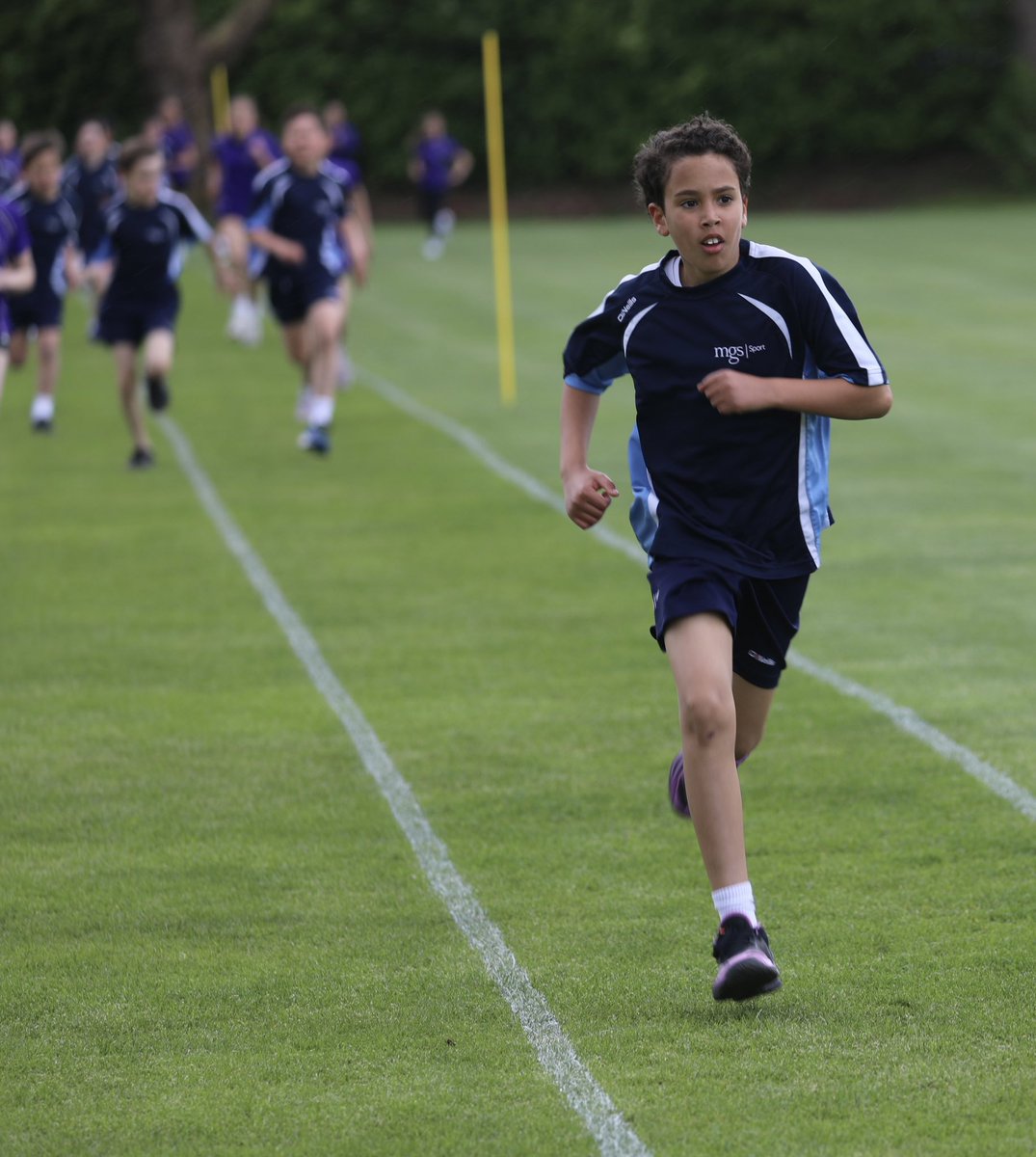
Two weeks ago, we welcomed Junior School pupils from Manchester High School for an athletics fixture against our year 6 pupils. We look forward to more opportunities for Junior and Senior School pupils to represent MGS in Athletics and in other sports. #schoolsport— Manchester Grammar School (@mgs_1515) May 28, 2026
Explore
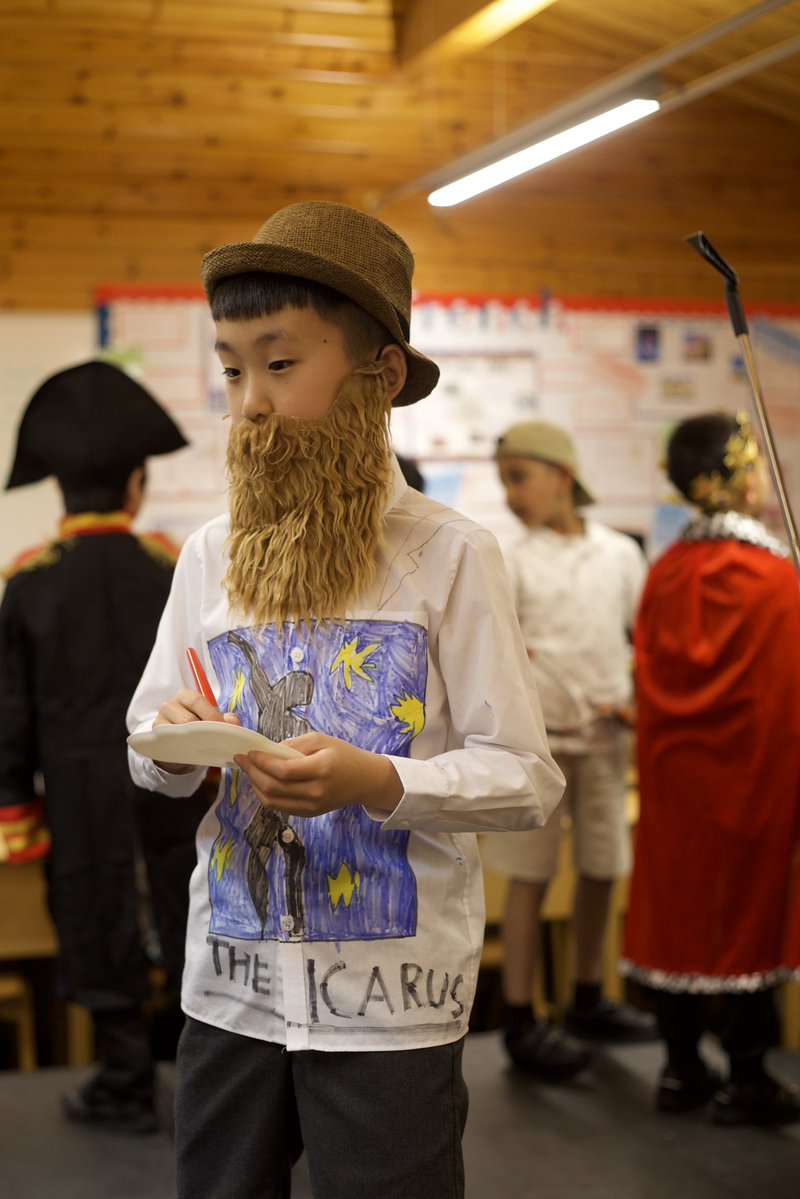
In Languages, we encourage pupils to approach new challenges with confidence. Last week, our year 3 and 4 Junior School pupils enjoyed a fantastic #LanguagesAfternoon. Dressed as well-known figures from history and popular culture, pupils performed in both Spanish and French.— Manchester Grammar School (@mgs_1515) May 27, 2026
Explore
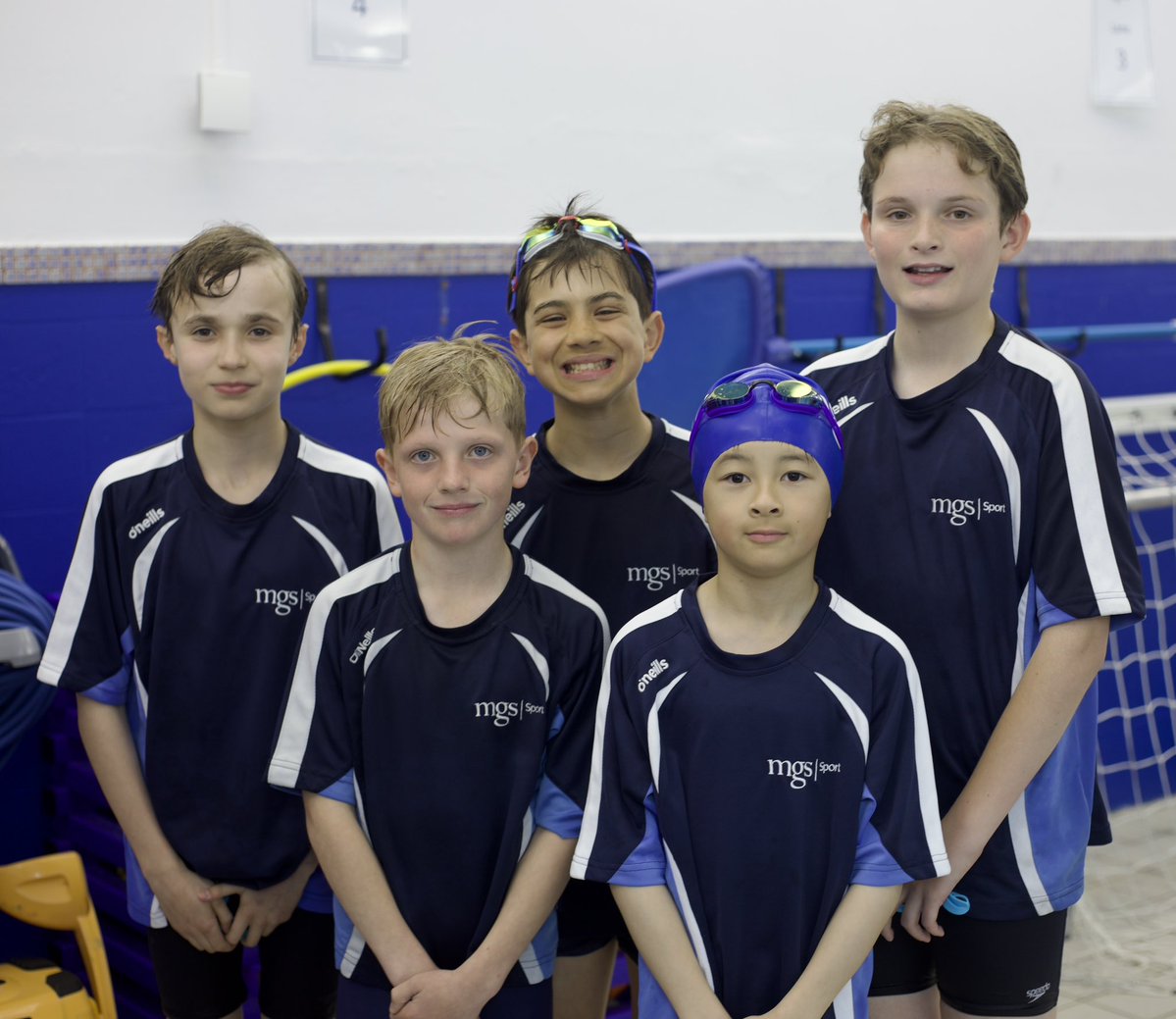
Sport plays an important role in #JuniorSchool life, with all pupils representing MGS in competitive fixtures. Following half-term holidays, Junior School pupils will have further opportunities to compete, with another swimming gala alongside fixtures in Cricket and Tennis.— Manchester Grammar School (@mgs_1515) May 26, 2026
Explore
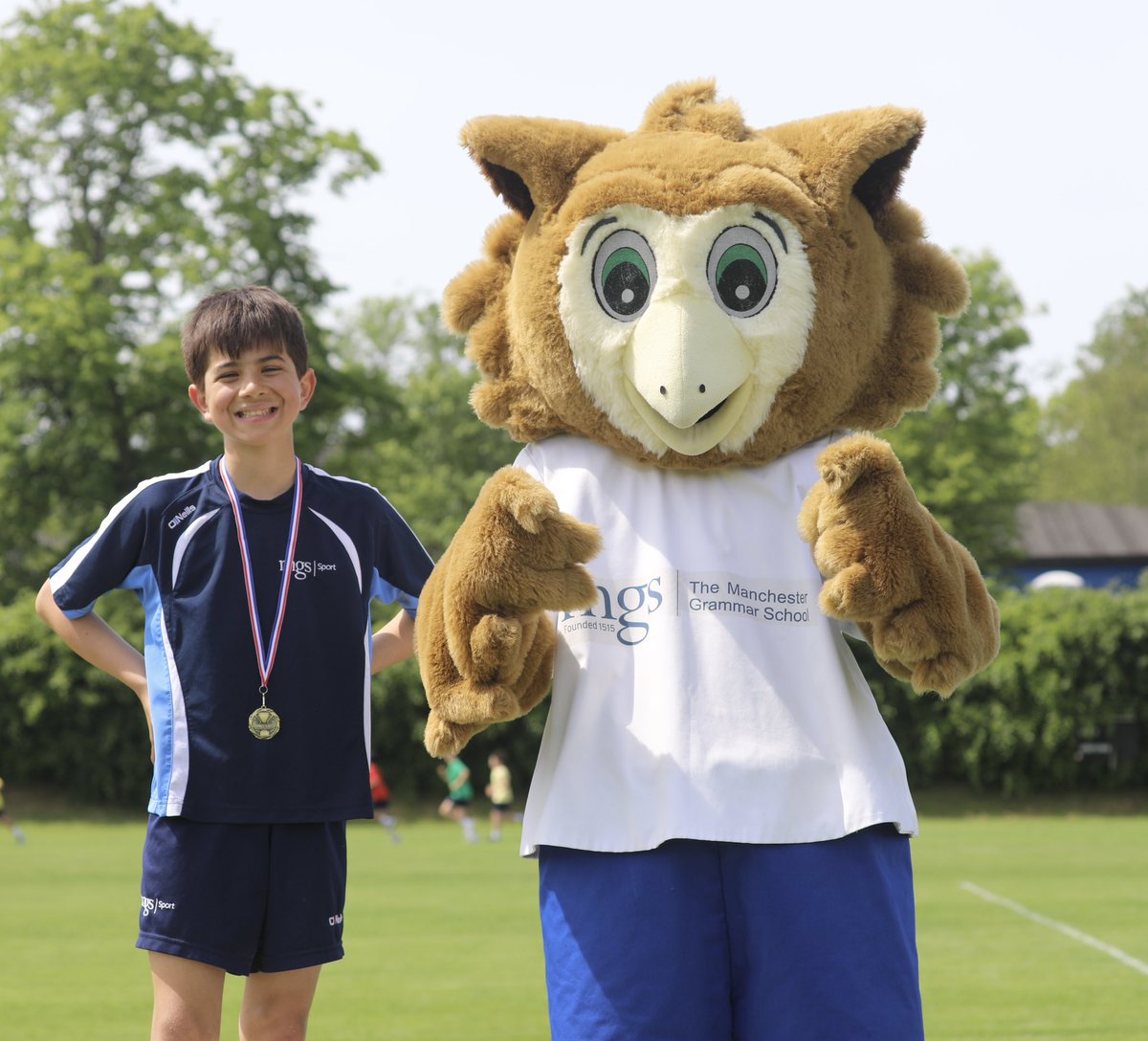
Friday’s #JuniorSchoolSportsDay was a wonderful celebration of participation, teamwork and school spirit. It was fantastic to see all pupils in years 3–6 embracing every event with enthusiasm, while supporting one another throughout the day. Well done to all who took part!— Manchester Grammar School (@mgs_1515) May 25, 2026
Explore

The final day of half-term brought the much-anticipated #JuniorSchoolSportsDay. Pupils from years 3 to 6 took part in five different events, demonstrating enthusiasm and excellent school spirit throughout the day. Congratulations to Bradshaw on winning this year’s House Cup.— Manchester Grammar School (@mgs_1515) May 23, 2026
Explore
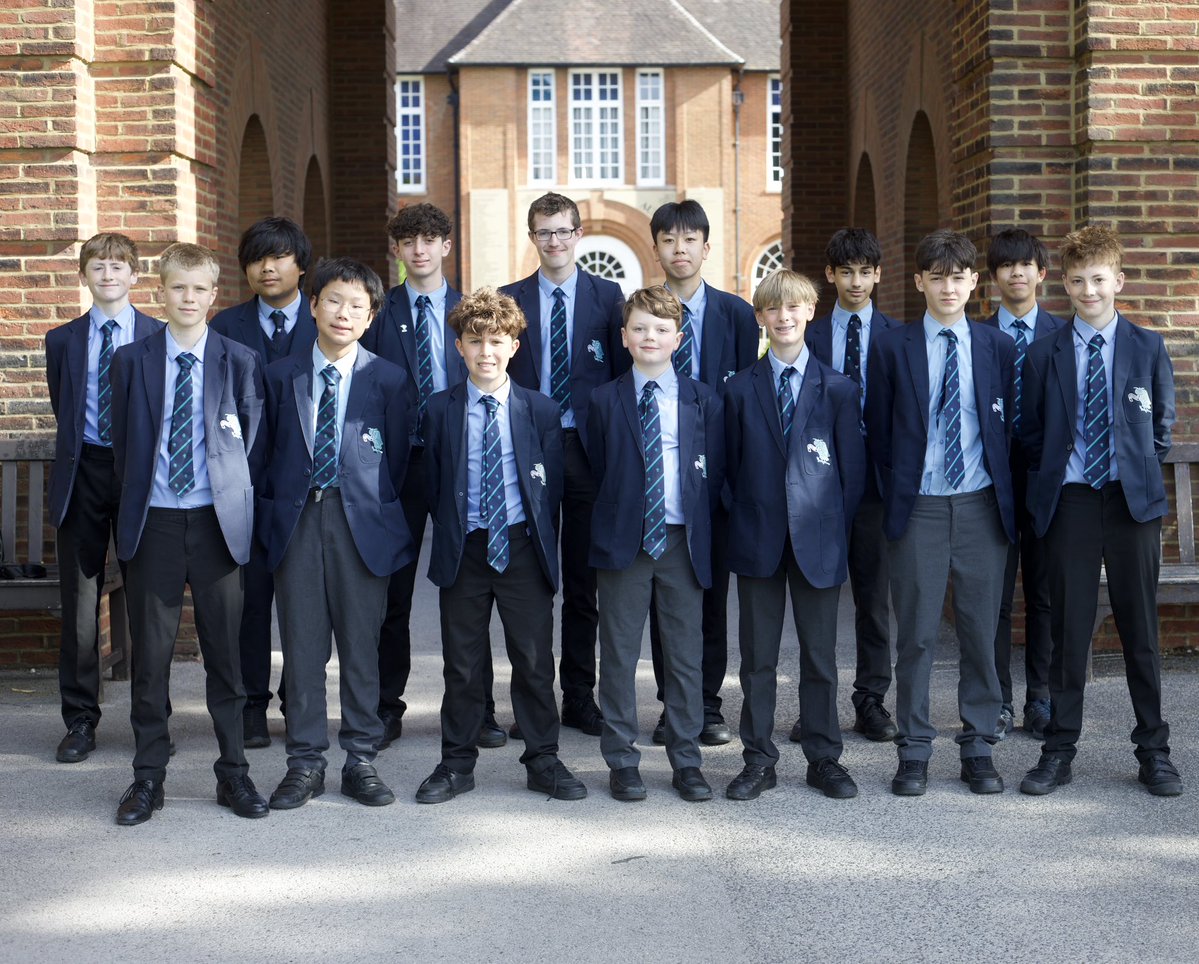
Ahead of the half-term holidays, we take a moment to recognise commitment shown by pupils involved in Saturday fixtures. This image represents some of the Tennis players from years 7–10. Already this half-term, 40+ fixtures have taken place across Cricket and Tennis. #MGSSport— Manchester Grammar School (@mgs_1515) May 22, 2026
Explore

We are delighted to celebrate the winners of the Creative Writing Competition 2026, photographed here, from years 7–11. The winning entries will be available to view on the MGS Ulula site once the next edition of Ulula has been published in print. #creativewriting— Manchester Grammar School (@mgs_1515) May 22, 2026
Explore
Upcoming events